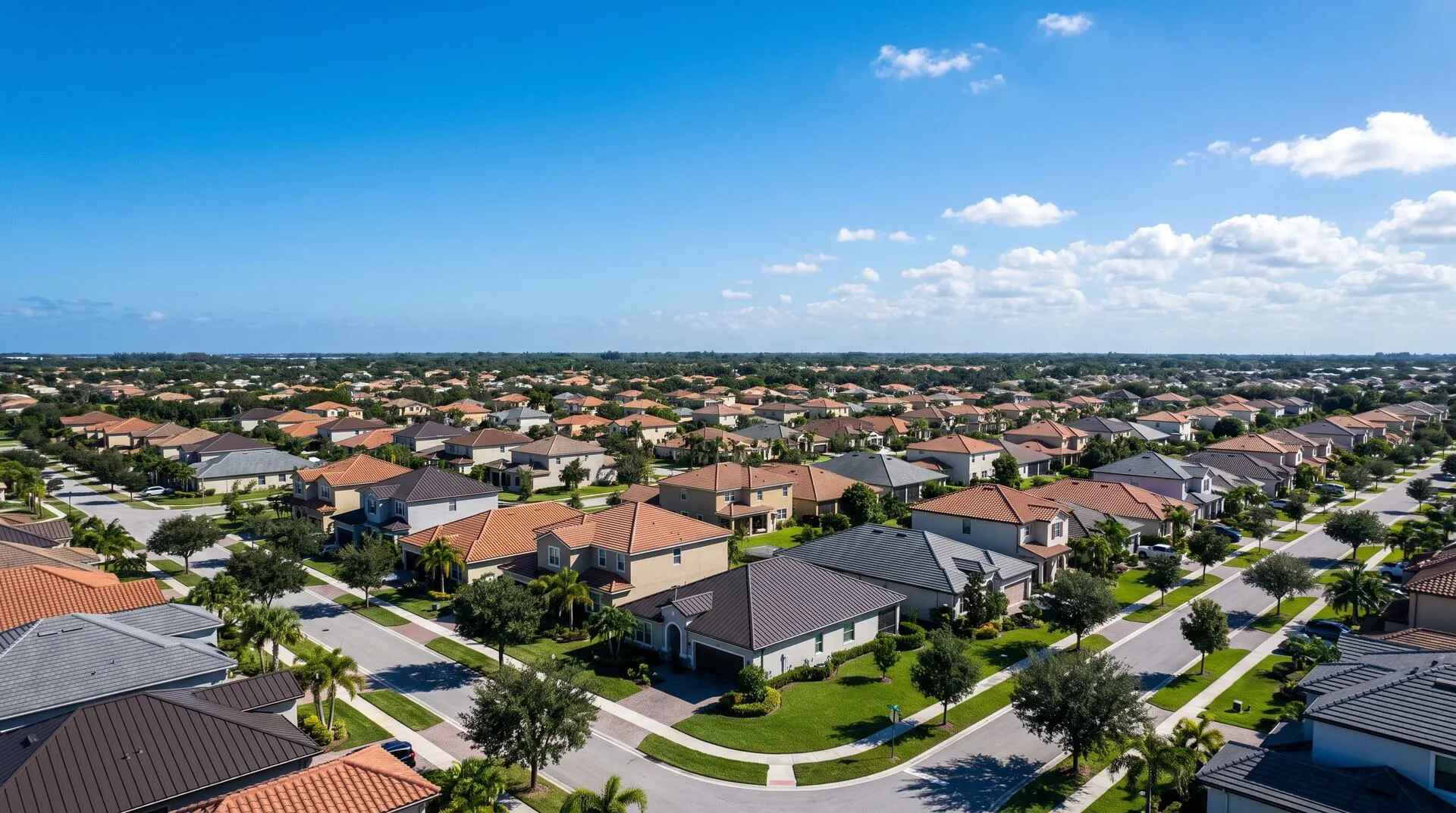
July isn’t the ideal time to start thinking about your roof. The ideal window was April or May, when licensed crews had availability, permit timelines were manageable, and no named storms were forming in the Atlantic. But July is when most Fort Lauderdale homeowners actually start paying attention — usually after a neighbor loses shingles, a storm scare rolls through, or an insurance renewal notice lands with a number that demands explanation. The window hasn’t closed. It’s just narrower, and the stakes are higher for every week you wait.
Fort Lauderdale sits entirely within Broward County’s High Velocity Hurricane Zone (HVHZ), the strictest wind-load designation in the Florida Building Code. Every structure in the city must withstand a 170 mph wind event under Risk Category II standards. That’s the code environment that governs which materials can legally go on your roof, how they must be fastened, and what inspections have to happen before work is signed off. At Hogan Construction & Roofing, we’ve been working in this code environment for more than 25 years.
Why Fort Lauderdale Roofs Face a Higher Standard
Only Miami-Dade and Broward counties carry the HVHZ designation in Florida. That distinction matters when you’re evaluating advice written for “South Florida generally” versus someone who works in Broward specifically.
Homes built before the statewide Florida Building Code took effect on March 1, 2002 weren’t required to have hurricane straps, HVHZ-grade fastening patterns, or self-adhering secondary water barriers beneath the primary covering. Fort Lauderdale has a significant stock of pre-2002 homes. If yours hasn’t had a full roof replacement since, that’s the first thing a qualified inspection needs to evaluate.
Coastal salt air adds another variable. Flashing, fasteners, and metal roof components in Fort Lauderdale corrode faster than the same parts inland. A ground-level visual inspection isn’t sufficient here.
What a Professional HVHZ Roof Inspection Actually Covers
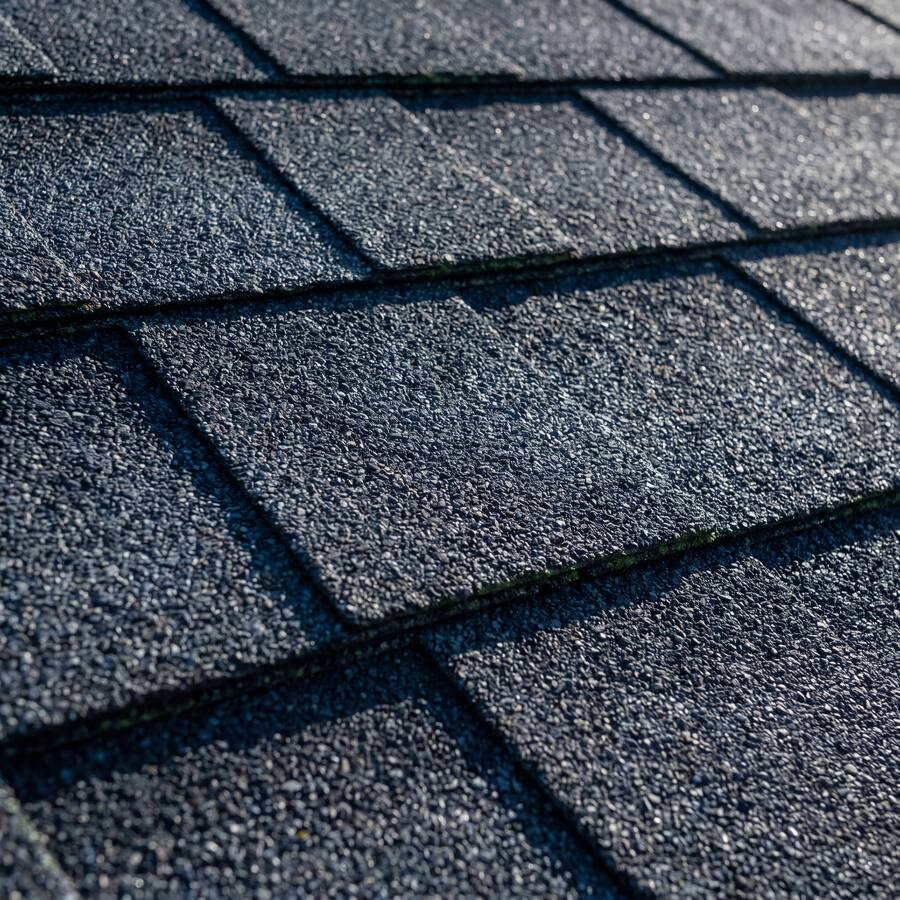
A qualified HVHZ inspection is a systematic review: shingle or tile condition across the field, flashing at every penetration, underlayment exposure, fastener patterns, edge metal and drip edge, gutters, soffit and fascia, and an attic check for water intrusion or daylight through the deck.
Wind uplift at roof edges is the leading mechanical cause of hurricane roof failure in South Florida. Inspecting and reinforcing the perimeter is the single highest-return preparation step for most roofs.
Every roofing repair or replacement in Fort Lauderdale requires a permit. Products must carry a Miami-Dade Notice of Acceptance (NOA) or Broward Product Control approval. Starting now — before a named storm enters the forecast — is the difference between completing repairs and watching a tarp go on instead.
The Mid-Season Checklist
- Schedule a professional HVHZ inspection immediately — a roofer with documented HVHZ experience, on the roof and in the attic.
- Address findings starting with edge metal and flashing.
- Clear gutters and downspouts.
- Trim branches within six feet of the roofline.
- Document current conditions with dated photos and video.
- Review your hurricane deductible structure. Florida hurricane deductibles are typically a percentage of dwelling coverage, not a flat dollar amount.
Once a tropical storm watch or warning is issued, licensed crews shift to emergency mode. Non-emergency work stops, and options narrow to emergency tarping.
The Wind Mitigation Inspection
A wind mitigation inspection is separate from a pre-hurricane maintenance inspection. It uses the OIR-B1-1802 form (revised effective April 1, 2026). Florida insurers are required to credit documented hurricane-resistant features against the windstorm portion of the premium — but only after a current report is on file with your carrier.
When Repairs Are No Longer the Right Answer
A roof that loses materials in storms that don’t rise to hurricane strength, shows water intrusion in multiple locations, or has been repaired repeatedly in the same areas is showing systemic failure. A roof replacement completed to current HVHZ standards is a different level of protection than a maintained older roof.
Metal, tile, and architectural shingles each have distinct failure modes. The right answer depends on what’s installed, what condition it’s in, and your long-term objectives.
Get a qualified HVHZ inspection on the calendar now. Call (954) 228-4643.