Home›Blog›How to Extend the Life of Your South Florida Roof
How to Extend the Life of Your South Florida Roof
October 2026 · Roof Types · 6 min read
Blog
Article Summary
A South Florida roof does not have to be leaking to need attention. This guide covers the ground-level and interior checks any property owner can make, and how a professional roof inspection determines whether maintenance, targeted repair, waterproofing, or replacement is the right next step.
Your roof does not have to be leaking today to need attention.
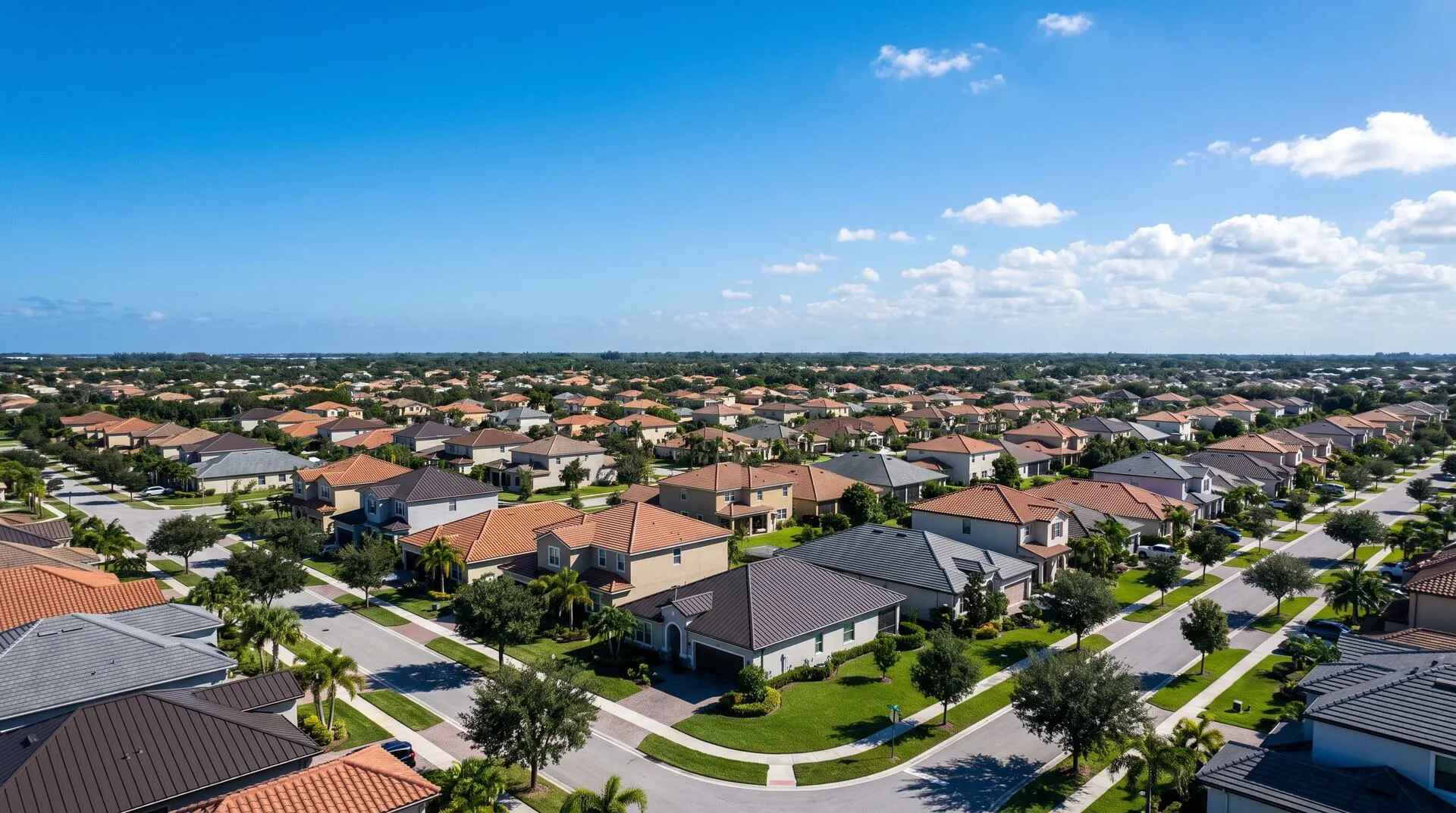
In South Florida, a roof works year-round against intense heat, heavy rain, humidity, and wind. Over time, those conditions expose small vulnerabilities around shingles, tiles, flashing, vents, sealants, and drainage points.
October is a good time to ask a simple question: where does your roof stand right now? Extending the life of a roof starts with knowing its current condition, not with guessing.
Where does your South Florida roof stand right now?
A roof is a system. Coverings, underlayment, flashing, penetrations, sealants, and drainage all have to perform together, and the weakest point usually fails first.
South Florida conditions work on that system constantly. Heat cycles materials, humidity keeps assemblies damp, heavy rain tests drainage, and wind works at edges and fasteners.
That is why condition matters more than age alone. Two roofs installed the same year on the same street can be in very different shape depending on exposure, detailing, and how consistently they have received routine roof maintenance.
Knowing where the roof stands gives you options. Waiting until water shows up inside usually removes them.
What can you safely check from the ground?
You do not need to get on the roof to learn something useful. Most early indicators are visible from a safe position on the ground, and climbing a roof is not worth the risk.
Walk the perimeter of the property and look for:
Missing, cracked, lifted, or displaced shingles or tiles
Loose or separated flashing at walls, chimneys, skylights, and roof-to-wall transitions
Cracked or dried-out sealants around vents, pipe boots, and penetrations
Staining, streaking, or discoloration along the roofline, soffits, and fascia
Gutters and downspouts that are blocked, sagging, or not moving water away from the building
Standing water or slow drainage on flat and low-slope sections
Granules or debris collecting at downspout outlets
Note anything that looks different from the last time you checked. Change is the signal worth acting on.
What should you look for inside the building?
Interior signs often appear before anything is obvious outside, because water travels along framing and decking before it shows itself.
Check ceilings, upper walls, and attic or interior roof spaces for:
Water stains, rings, or discoloration that were not there before
Bubbling paint, sagging drywall, or soft spots
Persistent musty odors or unusually humid areas
Daylight visible where it should not be
Damp or compressed insulation near the roof deck
None of these observations automatically mean you need a roof replacement. They tell you where a professional should look more closely.
“Observations from the ground and inside the building are a starting point, not a diagnosis. The purpose of an inspection is to document what the roof actually needs, then recommend work that matches the condition of the property.”
What does a professional roof inspection actually tell you?
A professional roof inspection answers questions that a ground-level look cannot. It examines the areas that fail first — flashing, seams, penetrations, terminations, and drainage — and puts the findings in writing.
A useful inspection gives you:
Current condition of the covering, flashing, sealants, and drainage
Separation of urgent work from planned work
Documentation of the roof’s condition before the next period of severe weather
A practical basis for budgeting rather than reacting to an emergency
That documentation matters. It supports maintenance planning, informs any claim discussion if the roof is later damaged, and keeps decisions tied to what the property needs.
When is maintenance, repair, waterproofing, or replacement the right next step?
The assessment determines the scope. The scope should not be decided before the assessment.
Maintenance
Appropriate when the system is performing and the goal is to keep it that way: clearing drainage, resealing details, and correcting small items before they spread.
Targeted repair
Appropriate when the issue is limited and the surrounding materials are still sound. Roof repairs, including leak repairs, address a defined area rather than the whole roof.
Waterproofing
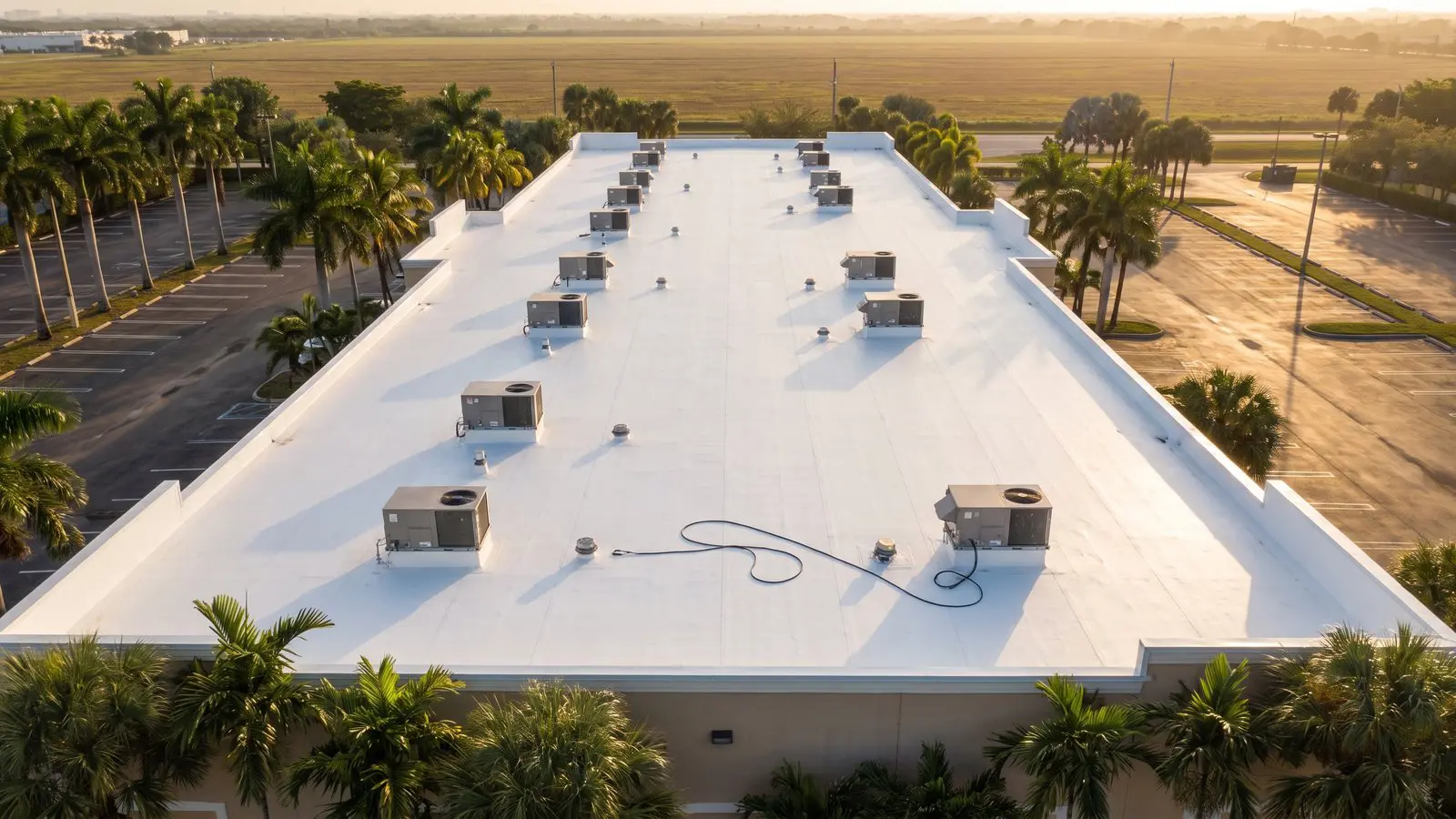
Appropriate when vulnerable areas need added protection and water needs to be managed before it creates a larger problem. Roof waterproofing is often the practical step on flat and low-slope assemblies.
Replacement
Appropriate when damage is widespread, failures keep recurring, or the existing system no longer fits the property. Roof installation is the right answer some of the time — not by default.
Hogan Roofing & Waterproofing provides commercial and residential roofing, roof inspections, repairs, replacements, waterproofing, and storm-damage support across Fort Lauderdale, Miami-Dade County, Broward County, and The Keys.
If you want to extend the life of your roof, start with a clear assessment. Request a free estimate and find out where your roof stands before the weather decides for you.
Frequently Asked Questions
How often should a South Florida roof be inspected?
Plan on a professional inspection at least once a year, and again after any period of severe weather. South Florida heat, humidity, rain, and wind work on a roof continuously, so condition can change between seasons.
Does a water stain on the ceiling mean I need a new roof?
Not necessarily. Water travels before it appears inside, so a stain shows that moisture is getting in somewhere, not how large the problem is. An inspection determines whether the fix is maintenance, a targeted repair, waterproofing, or replacement.
Should I get on the roof to check it myself?
No. Check from the ground and from inside the building. Walking a roof is unsafe and can damage materials, and the details that fail first are difficult to evaluate without training.
Can waterproofing extend the life of an existing roof?
Waterproofing protects vulnerable areas and helps manage water on flat and low-slope assemblies, which can extend service life when the underlying system is still sound. Whether it is appropriate depends on the condition documented during the inspection.
What does Hogan’s inspection report include?
An assessment of the roof system’s current condition, documentation of what was found, and recommendations that separate urgent work from work that can be planned and budgeted.
H
Hogan Construction & RoofingFamily-owned. Serving South Florida for 25+ years. (954) 228-4643
The Diamond Standard in commercial and residential roofing. Serving Fort Lauderdale, Miami-Dade County, Broward County and all of The Keys. Licensed, insured · GAF, CertainTeed & Owens Corning certified · Se habla español · Financing via Hearth & Homerun.